Get Tree Curbing Installation
Tree curbing installation services help property owners prevent root damage, control tree growth, and improve landscape safety by connecting them with local contractors skilled in these projects.
If you’re considering a tree curbing installation, you’ve come to the right place to explore your options. Properly installed tree curbing can help define landscaping boundaries, protect trees from damage, and improve the overall appearance of a property. Property owners in the area often look into this work to enhance curb appeal, prevent soil erosion, or create a clean, polished look around their trees and garden beds. Continuing to read can provide helpful insights into how local contractors can assist with planning and executing this type of project.
Comparing local contractors who specialize in tree curbing installation can ensure the work aligns with your property’s needs and aesthetic preferences. Many property owners find value in understanding the different approaches and materials available, helping them make informed decisions. If you’re interested in discovering trusted service providers in the area, keep exploring to find the right professionals who can bring your landscaping vision to life.
- Tree Curbing Installation - when property owners need to define landscape boundaries or protect tree roots.
- Tree Curbing Installation - for those seeking to prevent soil erosion around mature trees.
- Tree Curbing Installation - when installing decorative or functional borders in garden or yard designs.
- Tree Curbing Installation - to create a clean, finished look in landscaping projects involving trees.
- Tree Curbing Installation - for property managers requiring durable edging to maintain tree areas.
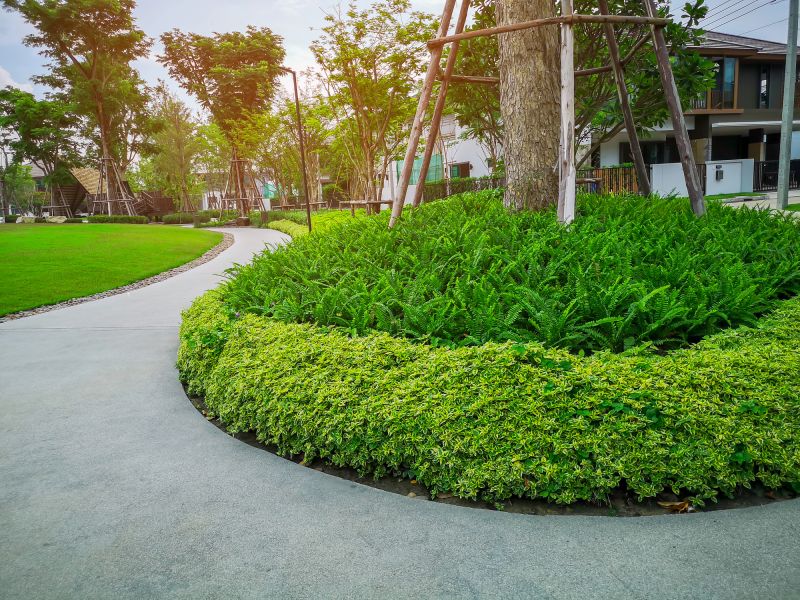
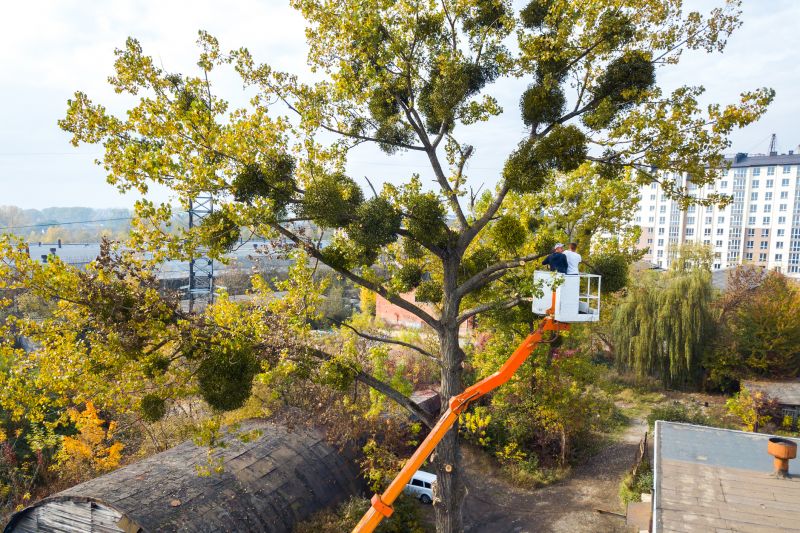
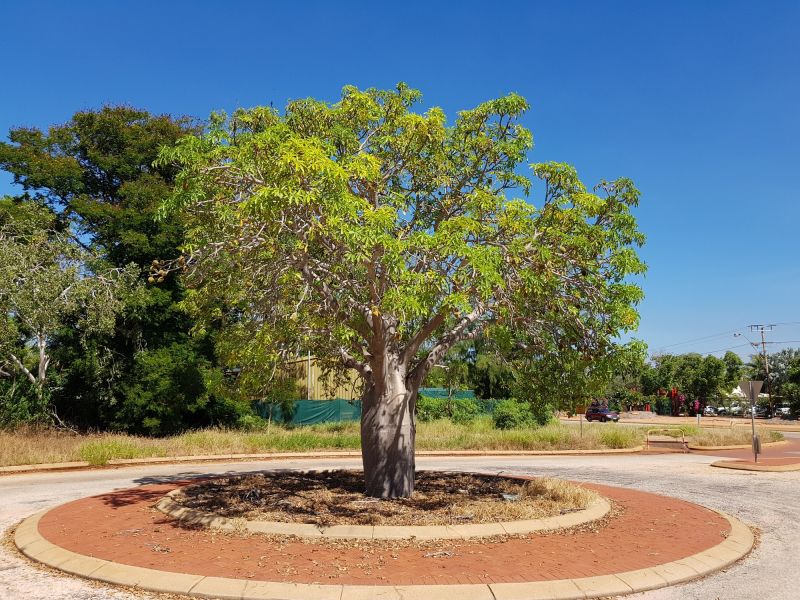
Tree curbings are installations that create a defined border around trees, typically along sidewalks, driveways, or landscaped areas. This service involves constructing a durable barrier using materials such as concrete, brick, or stone to encircle the base of a tree. The purpose of tree curbing is to protect the tree’s root zone from damage caused by foot traffic, lawn equipment, or vehicles, while also providing a neat, organized appearance to the property’s landscape. Skilled contractors ensure that the curb is properly installed to support healthy tree growth and prevent soil erosion or compaction around the roots.
This service helps address common problems like soil erosion, mulch displacement, or damage to tree roots caused by lawn maintenance or foot traffic. Without proper protection, trees can suffer from root compaction, which hampers water and nutrient absorption, or from damage due to accidental impacts. Tree curbing provides a physical barrier that keeps mulch or soil in place, reducing the risk of soil washing away during rain. It also helps define planting areas clearly, making it easier to maintain the landscape and prevent accidental harm to the tree during landscaping or lawn care activities.
Properties that typically utilize tree curbing installation include residential homes, especially those with landscaped yards or mature trees near walkways and driveways. Commercial properties, such as shopping centers or office complexes, often use curbing to maintain a tidy appearance around trees in parking lots or landscaped medians. Public parks and community spaces also benefit from tree curbing to protect large, prominent trees and ensure they remain healthy and visually appealing. This service is suitable for any property owner seeking to improve the safety, appearance, and longevity of their trees.
Homeowners who notice issues like soil erosion, mulch displacement, or signs of root damage around their trees may consider tree curbing installation. It’s also a practical upgrade for properties where foot traffic or vehicles frequently pass near trees, increasing the risk of accidental damage. Additionally, those looking to enhance curb appeal and maintain a tidy landscape often find tree curbing to be a valuable investment. Local contractors experienced in tree curbing can assess specific property needs and recommend the appropriate materials and design to ensure the long-term health and safety of the trees and surrounding landscape.
The overview below groups typical Tree Curbing Installation projects into broad ranges so you can see how smaller, mid-sized, and larger jobs often compare in your area.
In many markets, a large share of routine jobs stays in the lower and middle ranges, while only a smaller percentage of projects moves into the highest bands when the work is more complex or site conditions are harder than average.
Smaller Repairs - Typical costs for minor tree curbings, such as trimming or minor adjustments, generally range from $250-$600. Many routine jobs fall within this middle range, depending on the tree size and location.
Standard Curbing Installation - For standard curb installation projects, local contractors often charge between $600 and $1,500. Larger, more complex projects can exceed this range but are less common.
Full Replacement - Replacing an existing curb or installing a new curb on a larger property can cost from $1,500 to $3,500. Projects of this scale are typical for residential properties with multiple trees or extensive landscaping.
Large or Custom Projects - Extensive curb installation or custom designs for commercial or large-scale properties can reach $5,000 or more. These high-end projects are less frequent but handled by experienced local service providers.
Actual totals will depend on details like access to the work area, the scope of the project, and the materials selected, so use these as general starting points rather than exact figures.
Landscape Edging Projects - local contractors skilled in installing durable edging materials can help define garden beds and pathways similar to tree curb installations.
Garden Bed Installation - professionals experienced in planning and installing garden beds often use similar tools and techniques as those used in tree curbing projects.
Hardscaping Services - local service providers who handle hardscape features like retaining walls and patios often utilize comparable planning and construction skills as in tree curb installation.
Tree Root Barrier Installation - experts in installing root barriers require similar knowledge of soil, planting, and protective edging techniques used in tree curbing.
Soil Preparation and Grading - contractors experienced in grading and soil prep work share skills in site planning and the use of specialized tools akin to those for curb installation.
Pathway and Walkway Construction - professionals in constructing walkways and paths often work with similar materials and planning methods as those used in tree curbing projects.
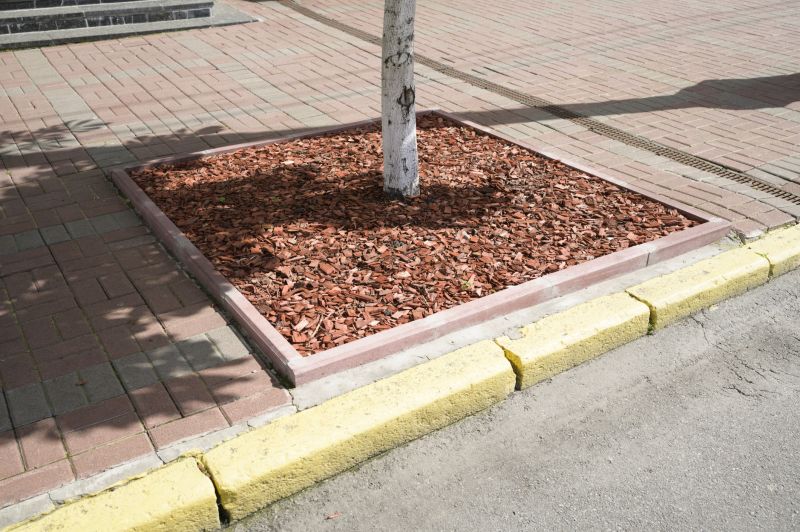
When evaluating potential service providers for tree curbing installation, it’s important to consider their experience with similar projects. Homeowners should inquire about the types of landscaping or curb installation work they have completed in the past, paying attention to the scope and complexity of those projects. A contractor’s familiarity with the specific requirements of tree curbing, such as working around existing landscaping or handling different materials, can be a strong indicator of their capability to deliver quality results. Reviewing portfolios or asking for examples of completed work can help assess whether their expertise aligns with the homeowner’s needs.
Clear, written expectations are essential for ensuring that both parties are aligned on the project’s scope and deliverables. Homeowners should seek service providers who can provide detailed proposals or written descriptions of what the project entails, including materials used, the process involved, and any specific milestones. Having this information in writing helps prevent misunderstandings and provides a reference point throughout the project. It’s also beneficial to clarify what is included and what might be considered additional work, so expectations are transparent from the outset.
Reputable references and good communication are key factors when choosing local contractors for tree curbing installation. Homeowners should ask service providers for references from past clients who had similar work done, and follow up to learn about their experiences. A contractor’s responsiveness and ability to clearly answer questions can also indicate their professionalism and reliability. Good communication ensures that any concerns or changes can be addressed promptly, contributing to a smoother project experience. It’s important to remember that this site introduces homeowners to local options, helping them compare and connect with qualified service providers, rather than performing the work itself.
Property owners use Tree Curbing Installation services for practical projects around their homes and businesses. This guide focuses on everyday jobs and straightforward project options.
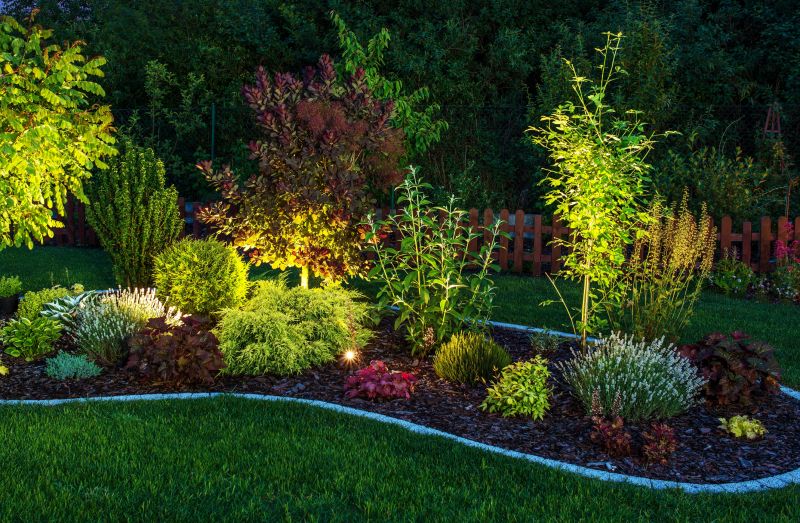
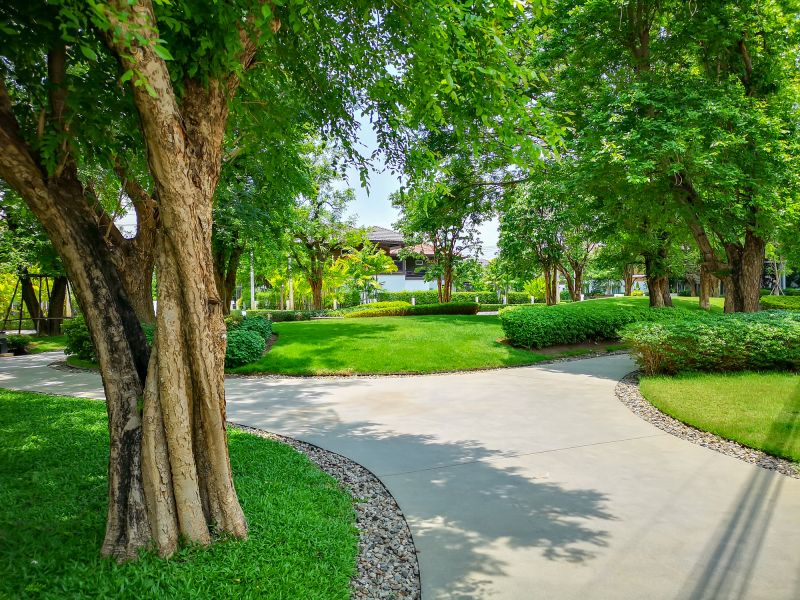
Tree curbings are often needed when property owners want to improve the safety and appearance of their outdoor spaces. Overgrown or uneven tree roots can pose tripping hazards, damage pavement, or interfere with landscaping. Local contractors can provide professional curb installation to help maintain clear walkways, prevent property damage, and enhance curb appeal, especially in neighborhoods with mature trees or ongoing landscaping projects.
Additionally, property owners might seek tree curbing services when preparing for new construction or renovations. Installing curb borders around trees can protect roots from accidental damage during construction activities and keep landscape features organized. Local service providers are equipped to handle these projects efficiently, ensuring that trees are preserved while maintaining a tidy and functional outdoor environment.
What is tree curbing installation? Tree curbing installation involves setting up a border or barrier around a tree to protect its root zone and define landscape features.
Why should I consider tree curbing installation? Installing a curb can help prevent soil erosion, protect tree roots from damage, and improve the overall appearance of a landscape.
What types of materials are used for tree curbing? Common materials include concrete, stone, brick, and metal, chosen based on durability and aesthetic preferences.
Can local contractors customize tree curbing designs? Yes, many service providers offer customized options to match the style and needs of different landscapes.
How do I find experienced professionals for tree curbing installation? A lead generation platform can connect with local service providers who specialize in tree curbing services.
Tree Curbing for Property Boundaries - Helps define clear property lines to prevent disputes with neighbors and enhance overall property organization.
Tree Curbing for Driveway Edges - Creates a neat separation along driveway borders, reducing soil erosion and maintaining a tidy appearance.
Tree Curbing for Garden Beds - Keeps mulch and soil contained within garden areas, making maintenance easier and improving curb appeal.
Tree Curbing for Lawn Transitions - Provides a clean edge between lawns and planting beds, supporting a well-maintained and attractive landscape.
If you are thinking about Tree Curbing Installation for a property, this guide is meant to help you understand the work, the typical project types, and how different options might fit your plans.
When you are ready, you can use the quote form on this page to share a few details about your project. From there, local pros can review the basics and respond with options that match what you have in mind.